
When your instrument cluster is not lighting up, the problem inside the unit becomes obvious. You turn the key, expecting the familiar sweep of gauges and indicator lights, but the panel remains absolutely blank. There’s no reading of engine temperature, no fuel level, and no warning lamps. The machine may start and run, but there won’t be any dashboard showing updates of the engine’s condition.
This is more than an inconvenience. The instrument panel exists to keep providing information, and without it, small problems can go unnoticed, and operators need to rely on guesswork instead of accurate information.
The link between the engine and the display
The instrument cluster cannot generate information on its own. It completely depends on the signals sent by the engine’s electronic control unit. This controller gathers data from sensors placed throughout the machine and sends it to the display in real time.
Every reading you see, be it oil pressure, engine speed, temperature, and alerts, actually comes through this system. If the controller stops sending signals, the display has nothing to show. In many cases, the screen itself is perfectly fine. It simply isn’t receiving the data it needs to function.
Sometimes there are early warning signs. The display may flicker occasionally or take longer to turn on. These small changes often point to weakening communication inside the controller.
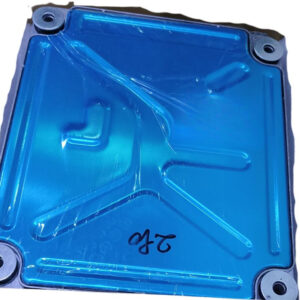
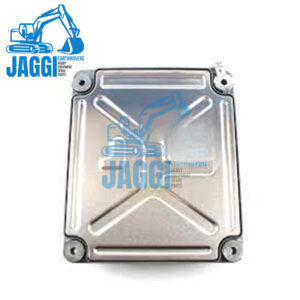
The role of the ECU Controller 21300122
Precisely, the 21300122 ECU Controller constantly monitors operating conditions, manages emissions and fuel delivery, and ensures efficient performance of the engine.
Since the controller works incessantly, when the machine is in use, it gets exposed to vibration, heat, and electrical stress. With time, such extreme conditions affect the internal components, which eventually stop the communication entirely. When the controller can no longer send accurate signals, the instrument cluster goes blank.
Restoring normal operation
Replacing a faulty ECU Controller 21300122 is the only way to restore the normal operations off a faulty unit. After successful installation, the controller immediately resumes its role, sending out accurate data back to the instrument panel. As a result, the display will power on normally, gauges respond, and warning lights will start functioning properly.
Why addressing the issue matters
A functioning controller is the brain of the entire unit and does a lot more than activating the display. Having a faulty unit will affect fuel efficiency and engine performance. It also helps identify potential faults early, which, if addressed on time, can be avoided.