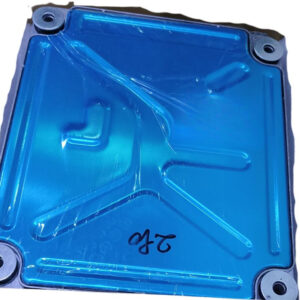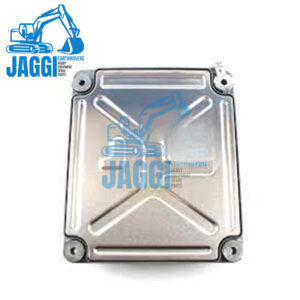

To ensure reliability, fuel efficiency and durability over long periods of time, precision control of the engine is required on large diesel engines. The EC210B excavator utilises a highly developed integrated electronic control of its D6E engine, featuring Advanced Combustion Technology, for consistent performance when working under harsh site conditions. The primary control unit for that system is part number 21358126, the Engine Controller Unit (ECU), which is critical to controlling injection mapping, timing of the diesel fuel injection, and maximising overall efficiency of combustion.
How the ECU Controls Fuel Injection Timing
Fuel injection timing directly affects engine performance as well as emissions and fuel consumption. The 21358126 monitors all of the important engine sensors (crankshaft position, camshaft position, engine speed [RPM], throttle input, boost pressure and coolant temperature) so that the fuel injectors can be opened to deliver the appropriate amount of fuel to the engine cylinders based on those above mentioned inputs.
Injection pressures in the EC210B’s Electronic Unit Injector (EUI) system are generated individually at each cylinder, often exceeding the pressure. The ECU manages injection timing by advancing or retarding it based on the engine load and operating conditions. Advancing the injection timing increases thermal efficiency and power output during high-load demands; retarding the injection timing is primarily used to lower peak combustion temperatures, which significantly reduces emissions to meet environmental standards.
Integration with Engine Management Systems
The EC210B’s engine control unit (ECU) is part of a complex CAN-bus communication network that incorporates the electronic fuel injection system. Monitoring real-time data such as EGR flow rate, intake air parameters, and fuel temperature helps the ECU to deliver and gauge injection timing and volume. This ensures stable combustion and optimal fuel atomisation, while providing reduced soot build-up and preventing excessive heat generation in the engine during heavy-duty excavation or lifting applications.
Operational Benefits
Proper fuel injection control through Control Unit 21358126 delivers measurable advantages:
- Power Optimisation and improved fuel efficiency
- Stable torque at low RPM
- Enhanced throttle response
- Reduced exhaust emissions
- Lower risk of injector and piston damage
Maintenance and Diagnostics
Routine diagnostic checks of the ECU using a software will allow the determination of the conditions/abilities of this excavator part. These tools help locate Fault Codes (DTCs) or sensor failures which could trigger Limp Mode (engine derate) and affect the ECU’s ability to provide accurate injection timing. All ECU wiring harness integrity, connector condition, and software calibration (flash programming) will need to be checked during planned maintenance to ensure peak longevity.