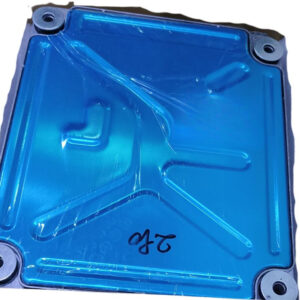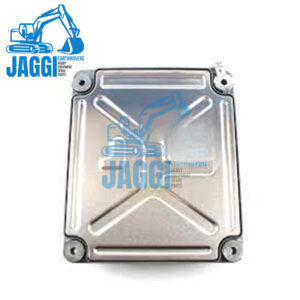

The 60100001 ECU is a key controller to ensure industrial generators operate reliably without unnecessary fuel loss. It controls how much fuel enters the engine, controls the timing of combustion, and keeps overall engine functions in balance. When the ECU gets faulty, fuel consumption can increase even though no visible mechanical issue is present.
How ECU Faults Trigger Higher Fuel Consumption
Demand mismatch with fuel delivery
Under normal conditions, the engine receives only the amount of fuel required to produce the requested power. A faulty ECU can disturb this balance by allowing more fuel into the system than necessary. The extra fuel does not contribute to useful output; instead, it passes through the system without being fully utilised.
This situation often results in:
- Faster fuel depletion than expected
- Visible exhaust darkening due to unburnt fuel
- Lower fuel utilisation efficiency
Combustion occurs at a delicate stage
The exact moment when fuel enters the combustion cycle plays a major role in energy production. When the ECU loses timing accuracy, combustion may occur too early or too late. Even small deviations reduce the amount of usable energy extracted from each injection cycle.
The consequences typically include:
- Increased fuel required to maintain the same output
- Gradual decline in overall engine effectiveness
- Less efficient power generation over time
High fuel usage even when the demand drops
Generators rarely operate at a constant output level. During periods of lower demand, fuel supply should decrease accordingly. A failing ECU may not recognise these changes correctly, allowing fuel flow to remain higher than necessary.
This can lead to:
- Ongoing fuel waste during low-load operation
- Reduced efficiency during routine running conditions
Incorrect Interpretation of Engine Condition Signals
The ECU depends on input from sensors that monitor temperature, pressure, and engine movement. When the ECU gets faulty, it processes incorrect information which do not match the engine’s actual needs.
Typical outcomes include:
- Fuel supply exceeding operational requirements
- Fluctuations in engine efficiency
- Less predictable fuel consumption patterns
Operational and cost impact of a faulty ECU
When fuel usage begins to climb, the financial impact becomes visible almost immediately. In industrial environments where generators operate for long hours or continuously, even a small increase in fuel burn can translate into significant additional expense over weeks and months.
The final takeaway
With a faulty ECU, there are improper injection, inaccurate load response, and poor time management causing excessive fuel consumption. Maintaining a properly functioning ECU is essential for controlling fuel costs, protecting engine health, and ensuring reliable power generation.