
When a heavy excavator suddenly drops into limp mode, productivity takes an immediate hit. Power reduces, response becomes sluggish, and the machine refuses to operate at full capacity. While several factors can trigger this protective state, one component often sits at the centre of the problem: the 21695319 control unit.
Understanding the reason behind the limp mode
Limp mode is not a failure in itself. Rather, it is a safeguard. The system immediately limits engine performance when it detects abnormal readings, such as incorrect fuel delivery, temperature imbalance, or sensor communication faults. It helps prevent deeper damage and maintain the engine health. Operators may notice slower hydraulic movement, delayed throttle response, or warning indicators on the display.
In modern excavators, nearly every engine function is governed electronically. The controller continuously evaluates signals from sensors positioned across the engine and related systems. If the controller cannot interpret or trust this information, it restricts performance as a precaution.
The Role of the 21695319 Controller
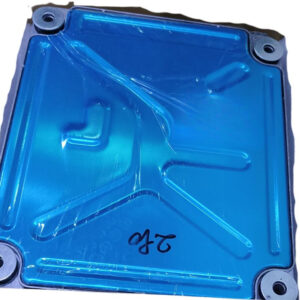
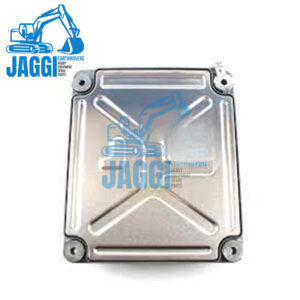
The 21695319 module, being the heart of the engine, gathers input from multiple sensors and processes that information thoroughly to adjust the engine parameters.
Installed on the cooler side of the engine, the unit connects through dedicated harnesses. Its internal circuitry is designed to withstand vibration, heat, and demanding working environments. Because of this, the controller is generally reliable, but like any electronic component, it can develop faults over time.
When this module begins to malfunction, the machine may misinterpret even the normal sensor readings, which trigger limp mode even when no mechanical issue exists.
How Testing Helps Identify the Real Cause
Testing the control unit before replacing expensive mechanical parts is a logical first step. Technicians typically begin by scanning for fault codes, where it is revealed if the controller receives any incomplete data.
Next, the wiring harness and connectors are inspected. In case of loose connections the system shows issues identical to controller failure.
If wiring checks out, the controller itself becomes the focus. Since replacement units are often preconfigured, installing a tested module can quickly confirm whether the original unit was at fault. In many cases, restoring proper signal processing immediately brings the machine back to normal operation.
Restoring Performance and Reliability
A properly functioning controller ensures smooth engine response, efficient fuel management, and dependable performance. More importantly, it prevents unnecessary downtime caused by false protective triggers.
When limp mode appears without clear mechanical failure, the control unit deserves careful attention. Timely testing not only resolves the issue faster but also protects the excavator’s long-term reliability.